SINGLE-SEX SPACES
New EHRC guidance for single-sex spaces after Supreme Court ruling
The April 2025 ruling of the Supreme Court in For Women Scotland Ltd v Scottish Ministers caused a lot of controversy when it found that, for the purposes of the Equality Act 2010, the terms “sex”, “man” and “woman” referred to biological sex as opposed to the gender that the individual identifies as. On 5 August 2026, the Equality and Human Rights Commission published its Code on services, public functions and associations, which is intended to help service providers understand their obligations when providing single-sex and separate-sex services, following the ruling. In summary, the Code identifies that:
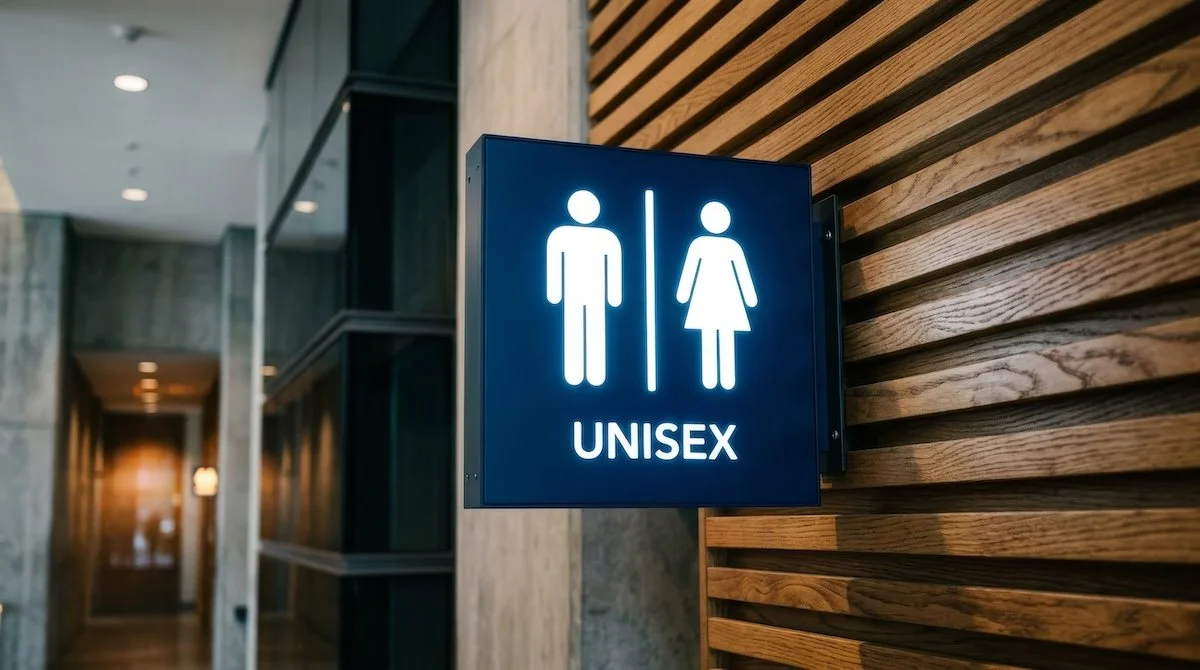
Companies can provide single-sex spaces (for example, toilets and changing rooms) without it being discriminatory. Labelling of who the space is designed for needs to be clear. For example, if trans women are permitted into a specific area then it cannot be classified “women only”. This is the same for “men only” spaces.
Trans people, and people who do not identify as their biological sex or as either sex, retain the protected characteristic of gender reassignment. Less favourable treatment, harassment or dismissal connected to a person’s trans status remains unlawful. Excluding them from a single sex service is a power that must be exercised proportionately and on a case-by-case basis.
Trans people must always have somewhere to go; for essential services such as toilets, the Code says it will almost never be proportionate to leave a trans person with no option at all.
Asking about a person’s sex may be a legitimate part of operating a lawful single sex service, but only where there is a genuine need and the request is made proportionately.
New material has been added on menopause, breastfeeding, single sex sport, and asking about sex.
The practical position for employers is that workplace toilets and changing facilities must operate on a biological sex basis. Where individual lockable rooms are provided, trans employees may use those and leaving a trans employee with no usable provision is likely to be discriminatory.
As statutory guidance (not legislation), the Code can be used in evidence in legal proceedings brought under the Equality Act but can’t, in itself, be used as the basis for a claim. It’s nevertheless worth getting familiar with to make sure that it has been taken into account when considering provisions of services for individuals both inside and outside the workplace.
The Code has been met with some backlash and specific concerns have been raised that it lacks clarity, is exclusionary and that it undermines the dignity and safety of women (both trans and cis), non-binary and intersex people. It can be found here: EHRC Code of Practice
If you have any questions about this or would like to discuss your approach, please get in touch and one of the team will be happy to help.