

THE GREAT TRADE-OFF: ARE EMPLOYEES CHOOSING BALANCE OVER PAY?
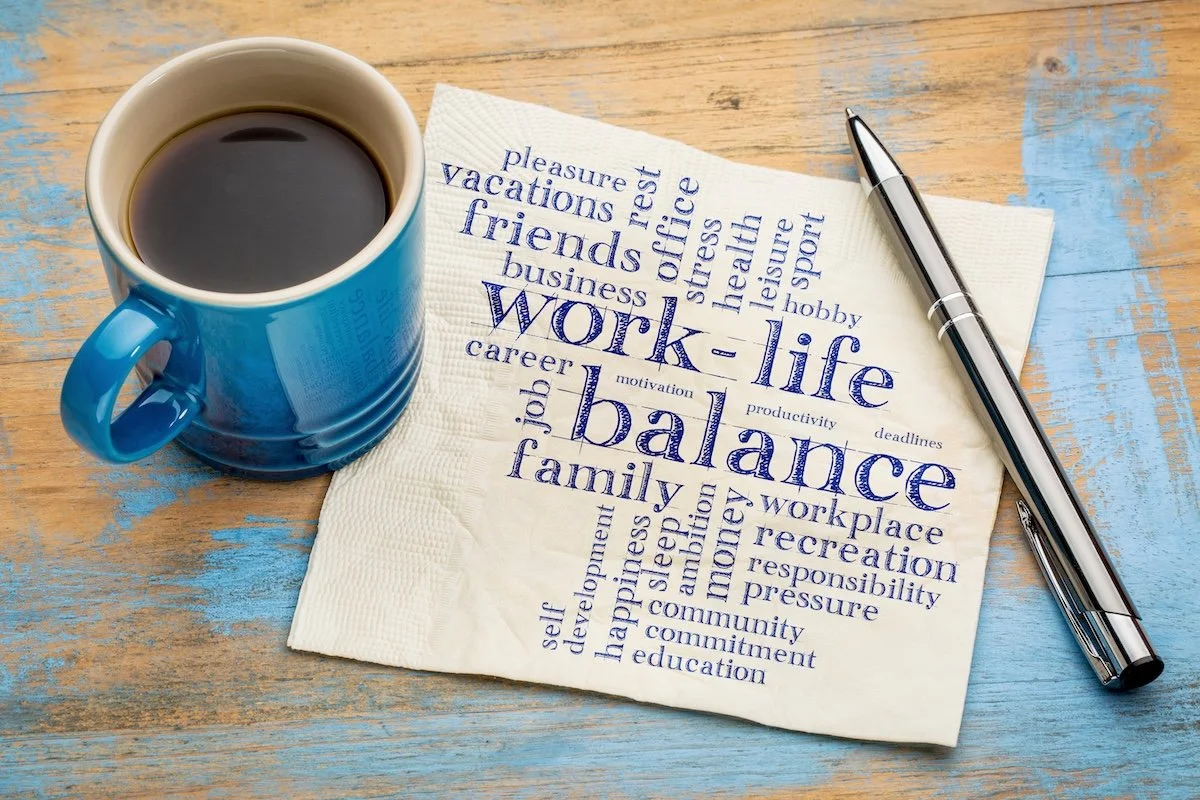
A new survey HERE of 2,800 jobseekers conducted by CharityJob indicates a shift in what employees truly value: 87% of respondents say they would consider taking a pay cut if it meant gaining better work‑life balance and flexibility. For HR leaders, this is more than an interesting statistic, it’s a signal that employee expectations may have fundamentally changed.
A new era of expectations
Work-life balance isn’t a new concept, but its importance has accelerated dramatically since the pandemic.
Younger generations, particularly Gen Z and Millennials, are driving this shift. Research shows they are far more open than older colleagues to trading some salary for reduced hours, remote work options, or greater autonomy.
This isn’t just a generational trend; it reflects a wider cultural change. Increasingly, employees view work as one part of a broader life - not the centre of it. Has work-life balance overtaken pay as the top priority for many workers, reversing decades of workplace norms?
Flexibility has moved from “perk” to expectation
Flexible and hybrid working have quickly become baseline expectations for candidates. Employees want clarity around when, where, and how they can work, and they expect organisations to support this with well-defined policies and modern leadership practices.
The benefits are well‑established: reduced burnout, improved wellbeing, and higher productivity. Despite this, many organisations still offer flexibility inconsistently, or fail to communicate it effectively in job adverts and interviews. That gap between what candidates expect and what employers describe is now a major barrier in recruitment.
What this means for HR and people managers
This shift calls for more than minor adjustments; it requires rethinking how organisations attract, manage, and retain people.
Companies that continue to compete mainly on salary may find themselves losing candidates to employers who provide real flexibility, wellbeing support, and autonomy. On the other hand, organisations that intentionally embed work-life balance into their culture are seeing stronger engagement, better retention, and a more compelling employer brand.
HR leaders should now be asking:
Are we clearly articulating the flexibility we offer in job descriptions and recruitment conversations?
Do our managers have the skills to lead flexible and hybrid teams effectively?
Do our policies genuinely reflect the needs and preferences of a multi‑generational workforce?
The bottom line
Employees are redefining what they value at work. Pay will always matter, but it’s no longer the only, or even the primary, deciding factor. Organisations that respond to this shift with intention and clarity will attract stronger talent, create more engaged teams, and hold onto the people they can’t afford to lose.
